When we envision the smart cities of the future, autonomous delivery vehicles navigating city streets, assistive robots operating in hospitals, and drones performing precision tasks in agricultural fields will become essential components of daily life and social infrastructure. Through the Ministry of Education’s “AI-Enabled Talent Cultivation Program for Ground Unmanned Vehicle Power Modules,” National Formosa University (NFU) is working to break down technological barriers and develop intelligent vehicle technologies that seamlessly integrate into urban life. The program is expected to provide industry with at least 300 highly skilled professionals annually, serving as a driving force for the cities of tomorrow.
From Reactive Maintenance to Proactive Sensing: Vehicles That Better Understand Human Needs
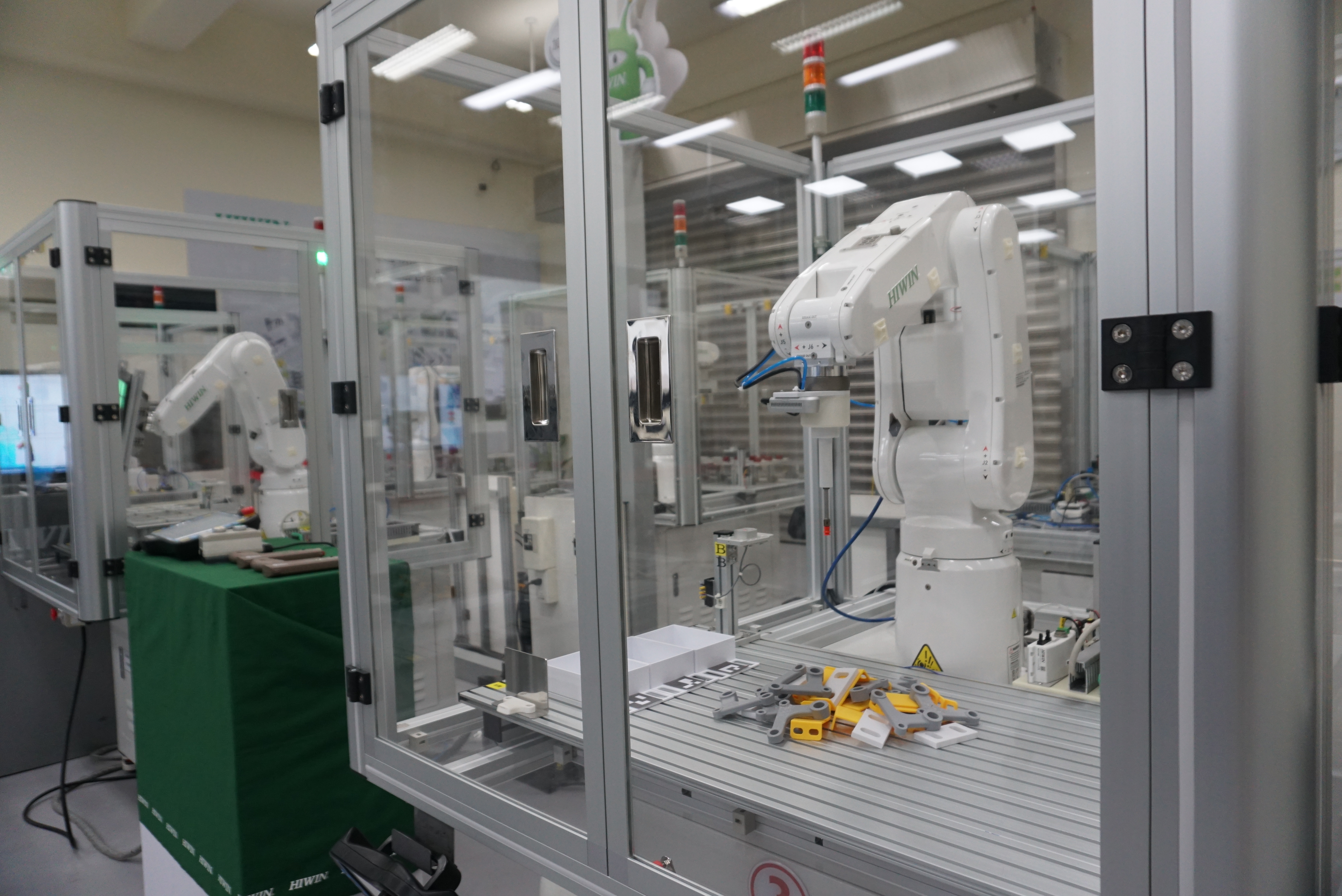
Traditional mechanical systems are typically repaired only after failures occur. However, in future smart city environments, uninterrupted service will be essential. To address this challenge, NFU’s project has developed an innovative “Five-in-One Power Module” that integrates sensing, computing, and control capabilities into a single platform. This technology enables future mobile robots not only to perform assigned tasks but also to perceive environmental conditions in real time and adjust their operations autonomously. As a result, it effectively improves operational stability, enhances fault prediction capabilities, and delivers more reliable and human-centered intelligent services.
The applications of this technological innovation extend far beyond industrial manufacturing. In smart logistics and urban mobility, it can improve route planning and obstacle avoidance capabilities for autonomous transport vehicles and mobile robots operating in complex environments, thereby enhancing logistics efficiency. In healthcare and assisted living, the technology can support the development of powered exoskeleton systems and medical service robots, providing more effective assistance for aging populations. Furthermore, by integrating acoustic sensing and voice interaction technologies, these innovations can be applied to sustainable environmental monitoring and advanced smart agriculture solutions.
Cultivating Future Talent Who Understand Problems and Can Solve Them
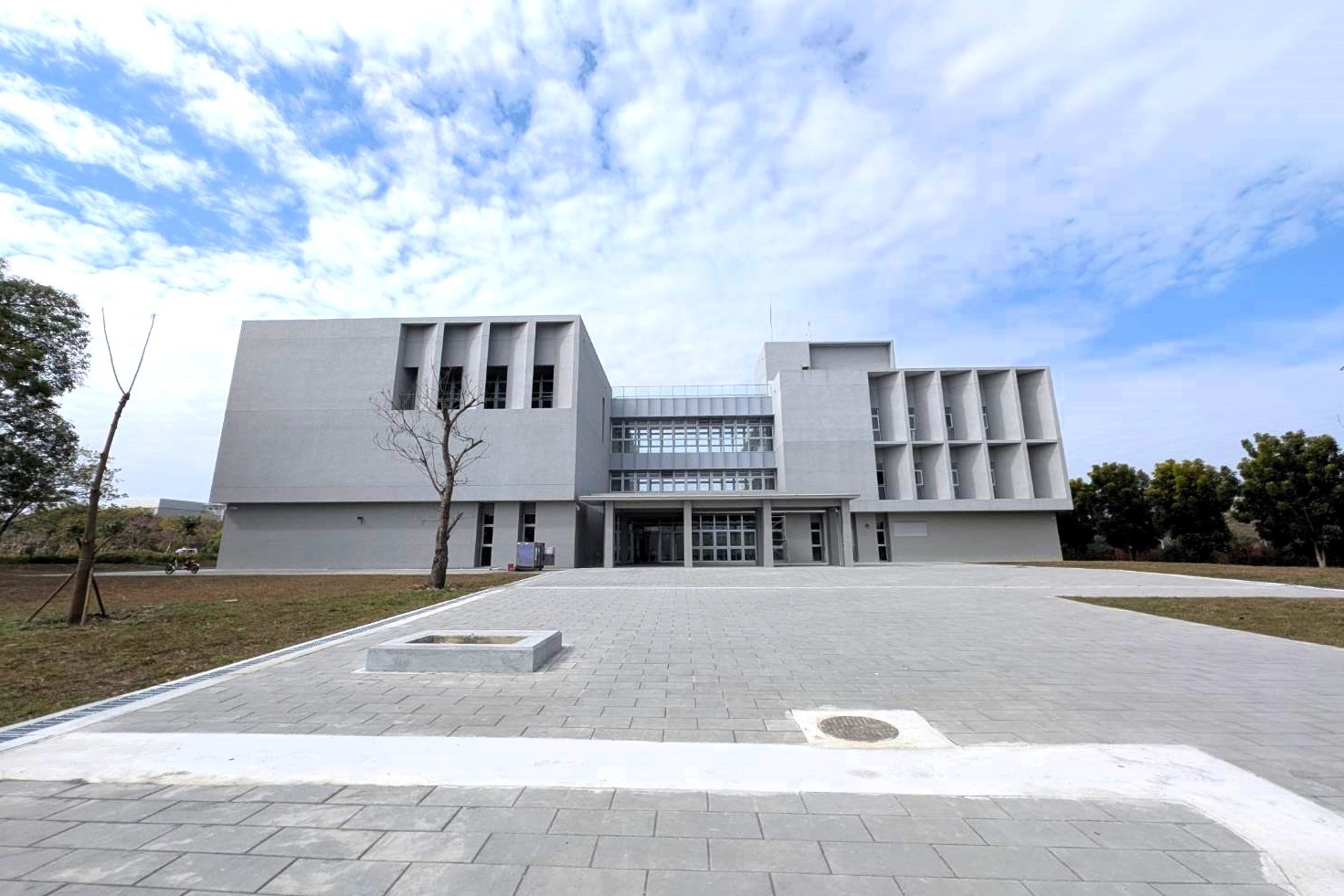
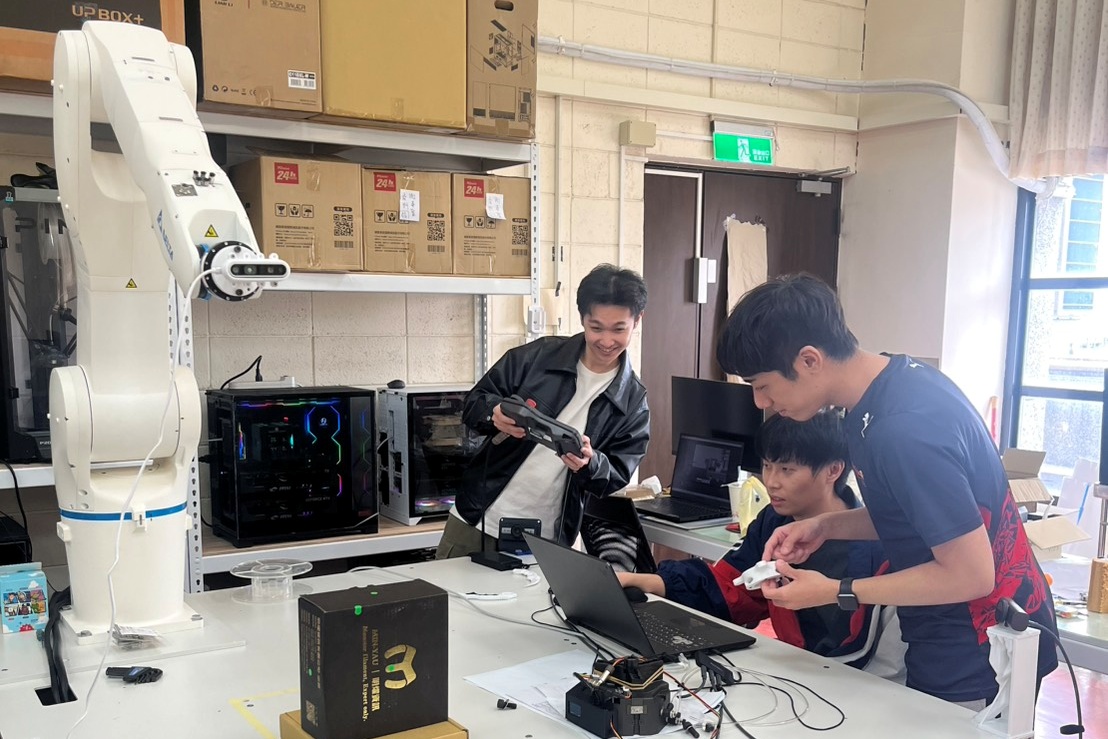
To ensure that technology can be effectively translated into real-world applications, NFU has established a comprehensive validation and testing environment at its High-Speed Rail (HSR) Campus, including four specialized laboratories dedicated to cloud computing resources, electromechanical transmission systems, and related technologies. Students are no longer limited to classroom theory; instead, they gain hands-on experience using advanced equipment such as the NVIDIA GH200 and participate in the entire process from research and development to system validation. NFU expects to complete the facility development by the end of 2026, further strengthening its ability to cultivate advanced engineering professionals who can address social challenges through practical innovation and support industry transformation.
NFU emphasized that through a sustainable cycle of industry-academia collaboration, research outcomes will continuously contribute to industrial innovation and societal applications. In doing so, AI technology will become more than just a sophisticated tool—it will serve as a key force driving the advancement of future smart cities.