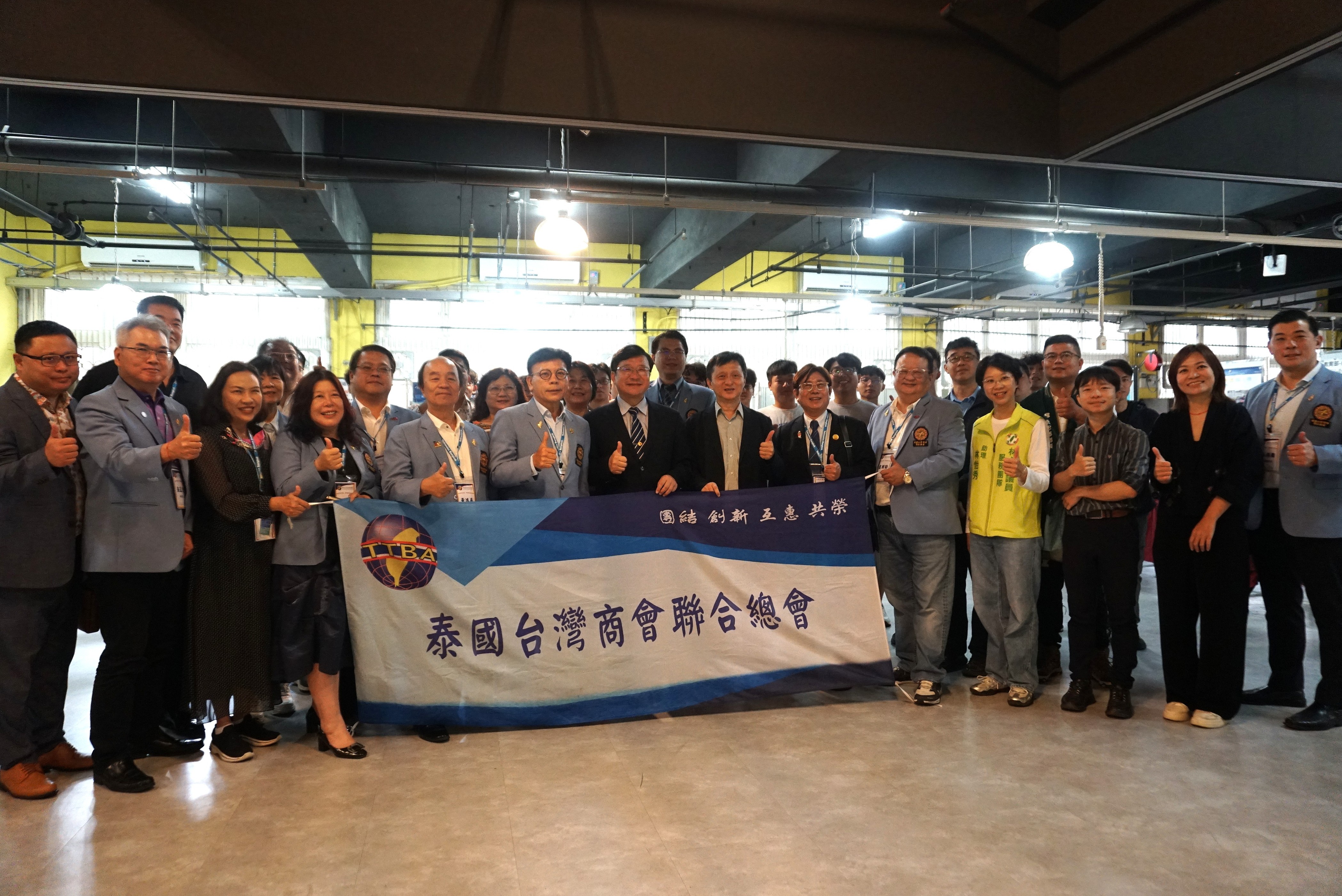
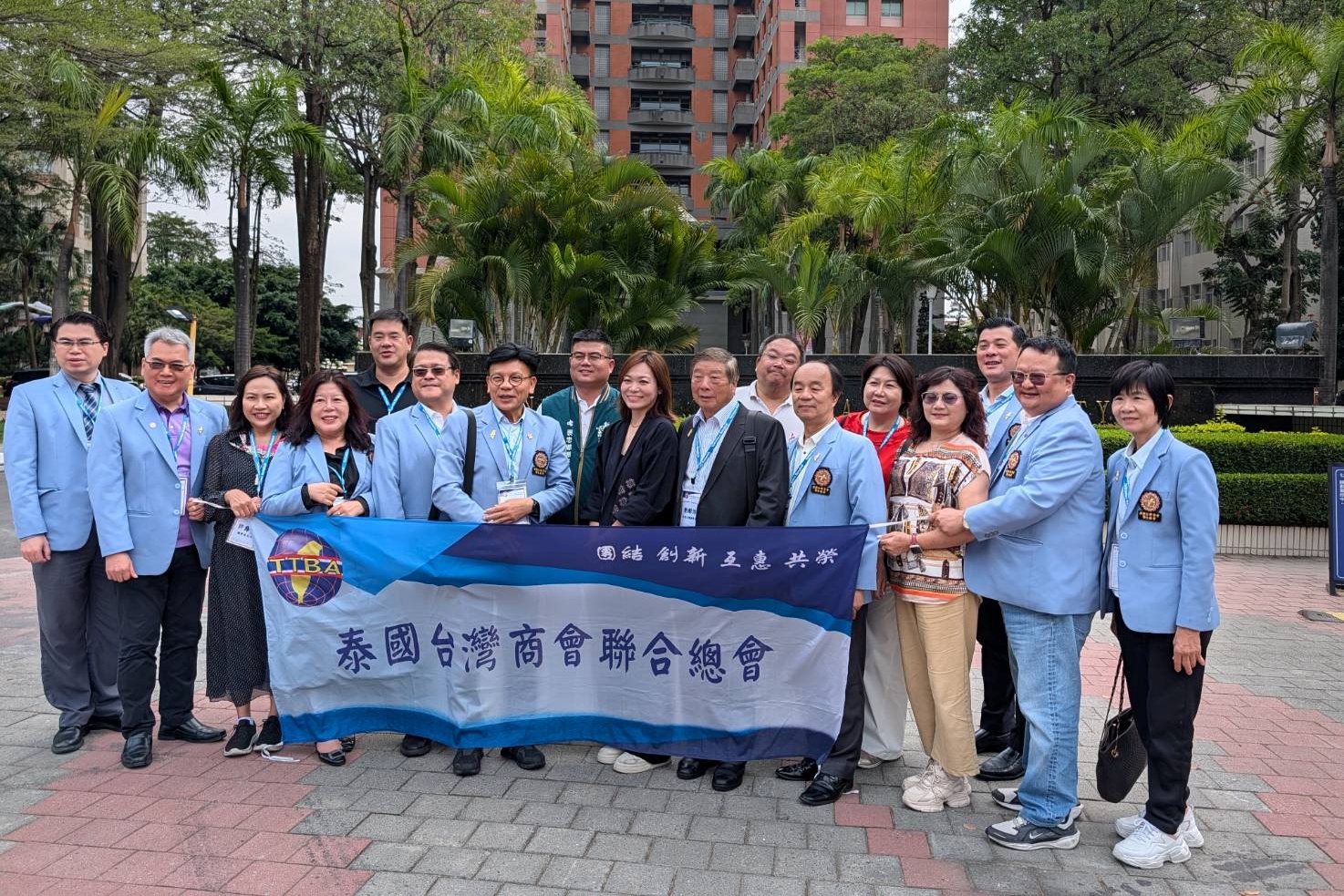
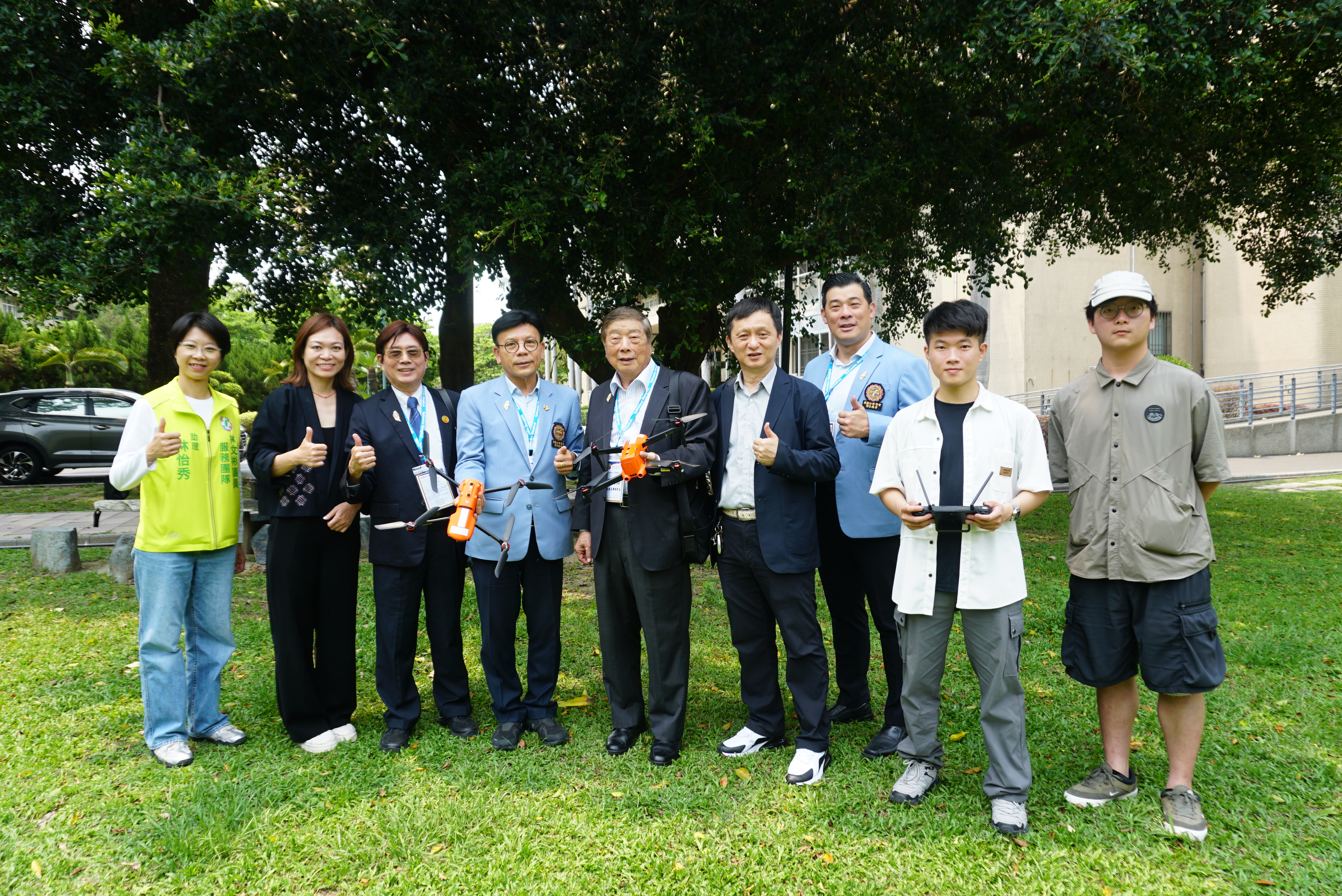
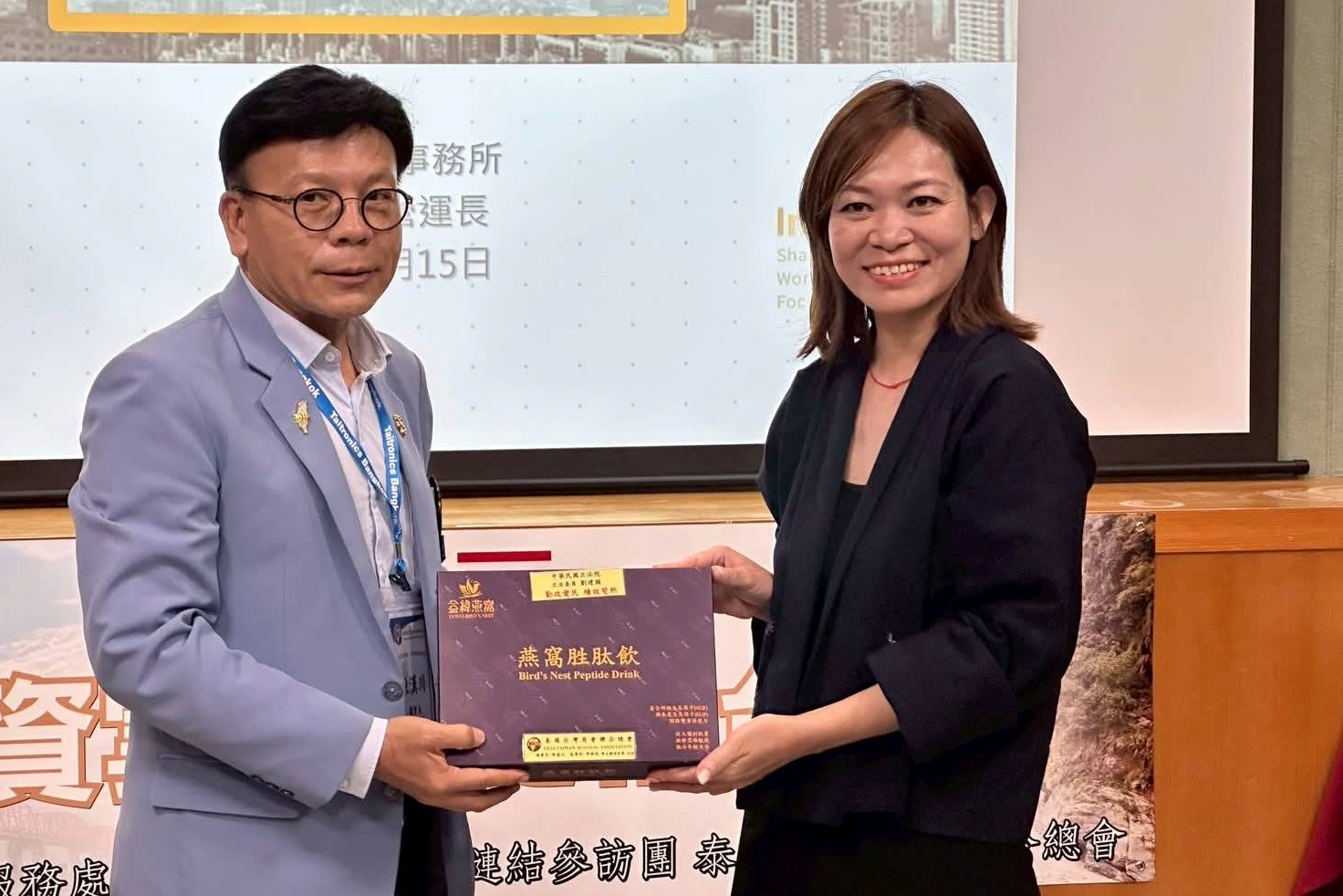
A delegation of business representatives from the Thailand-Taiwan Chamber of Commerce General Association visited National Formosa University on 4/15 (Tuesday), not only demonstrating the growing warmth of Taiwan-Thailand industrial chain cooperation, but also signaling an important intent to use Taiwan's drone technology as a core focus in advancing New Southbound Policy market development and non-red supply chain cooperation. This exchange was also seen as a significant starting point for the formal export of Taiwan's drone industry technology, talent, and manufacturing capabilities to the Southeast Asian market.
Led by General Chairman Chen Han-Chuan, the delegation included 20 business representatives, such as Permanent Honorary Chairman Liu Shu-Tien and Deputy Chairman Kung Hsiang-Lan, and was accompanied on the visit by Legislator Liu Chien-Kuo. NFU President Chang Hsin-Liang led the university's reception team, which included Vice President for Research and Development Sung Chao-Tsung, drone AI New Talent Program Lead Chang Yi-Pin, as well as members of the Drone Base Program faculty and student team from the Department of Aircraft Engineering—including Assistant Professor Yang Sheng-Fei from the Avionics Division, Professor Lin Chung-Yen, and Assistant Professor Kao Jui-Hung from the Mechanical Division—who together showcased NFU's integrated strengths in flight control, materials, communications, and AI recognition.
Established in 1992, the Thailand-Taiwan Chamber of Commerce General Association brings together more than 6,000 Taiwanese-owned businesses across Thailand and holds significant influence in the country. In addition to focusing on the shortage of high-level technical talent in the Thai market, this visit also included in-depth discussions on how Taiwan's drone industry could leverage the network of Taiwanese businesses to enter the Southeast Asian market and establish local supply chains and technical service systems.
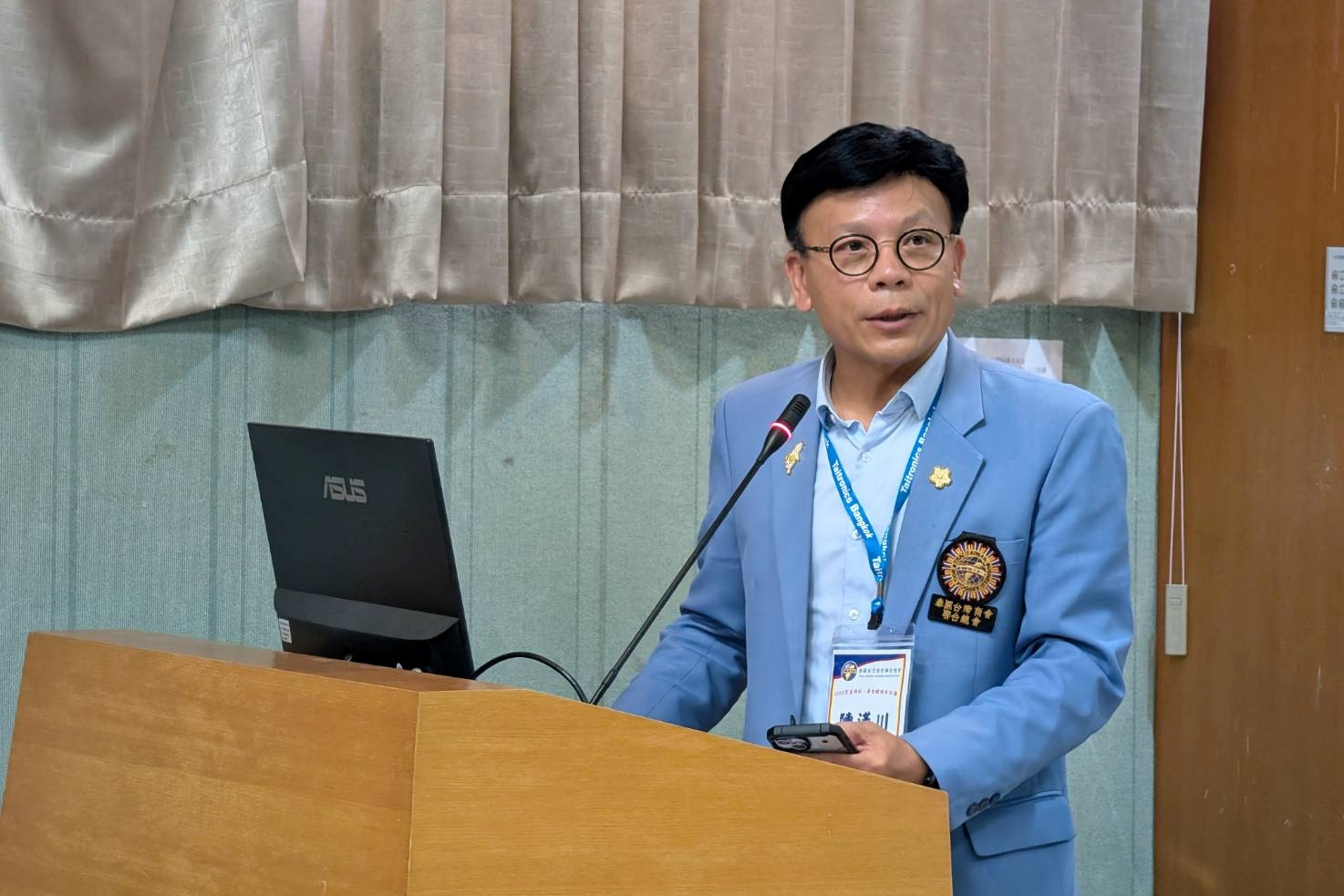
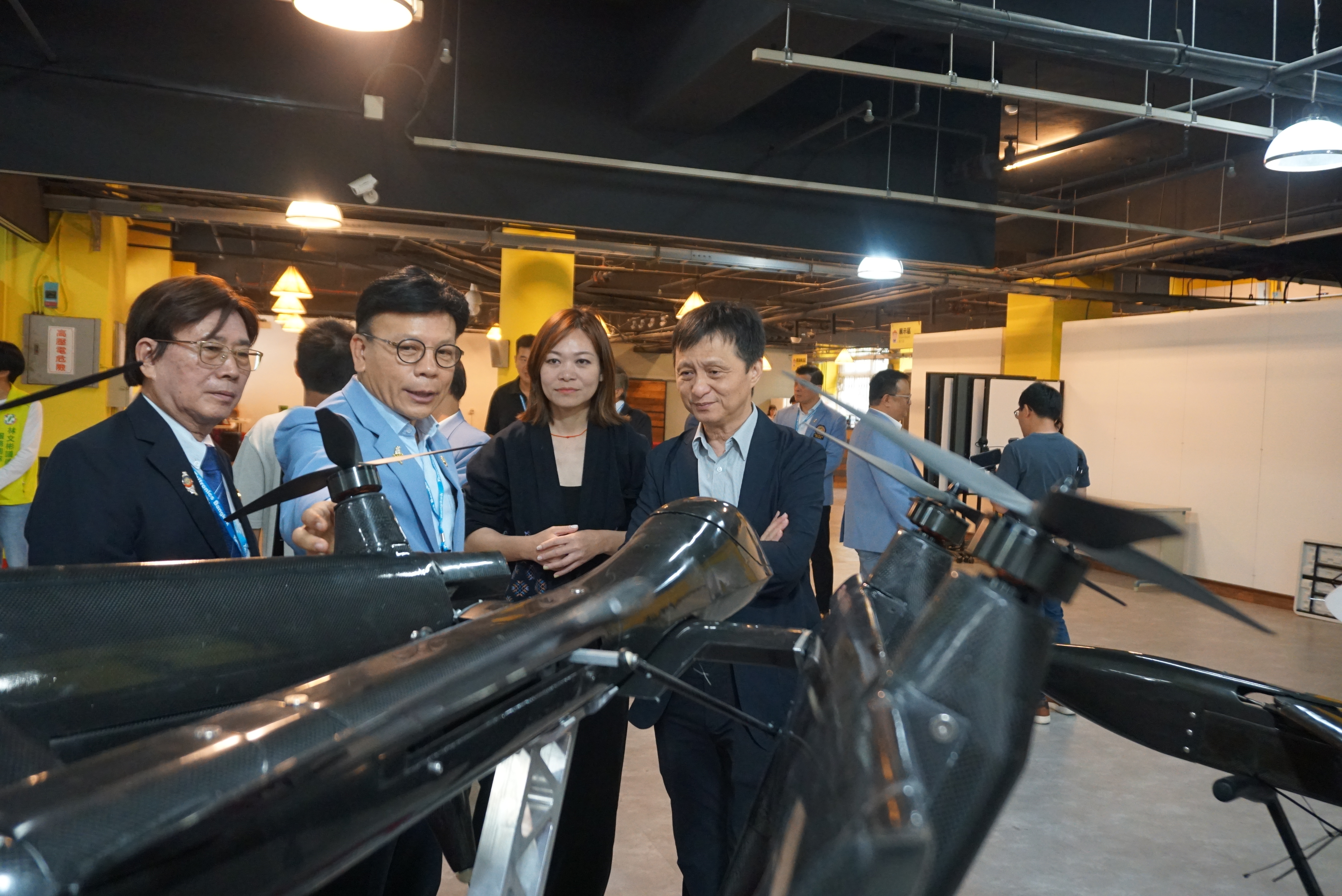
Chen Han-Chuan stated that in the past, most people's impression of academia remained limited to theoretical research. However, after being introduced by Legislator Liu Chien-Kuo and personally witnessing NFU's demonstrations of foldable-wing drones, variable-wing aircraft, and AI detection technology, he deeply felt that NFU had already achieved a level of technological maturity suitable for international commercial and defense-grade applications. He pointed out that, from flight control systems and long-range communications to composite material technology, NFU possesses a full range of integrated industrial capabilities spanning R&D, manufacturing, and inspection/certification.
In particular, the on-site demonstration of the "carbon fiber tube-launched foldable-wing drone" showcased high strength, lightweight design, and rapid deployment capabilities, while the "Tri-core Autopilot Flight Control System" featured 60-kilometer long-range communication, automotive-grade temperature tolerance, and autonomous flight control capabilities—symbolizing that Taiwan has gradually built up its own independent capacity in key flight control and communication core technologies, moving away from dependence on red supply chains.
Chen Han-Chuan emphasized that NFU possesses not only physical manufacturing and testing capabilities, but also system integration and talent cultivation capacity—precisely the kind of support Taiwanese businesses will most need as they expand into Thailand's drone industry going forward. He believes that through NFU as a national-level talent and technology cultivation base, Taiwan has an opportunity to export drone integration technology, R&D standards, and talent cultivation models to Thailand and the broader Southeast Asian market, further solidifying Taiwan's strategic role in the global non-red supply chain.
Chang Hsin-Liang stated that, in response to the rapid growth of the Southeast Asian market and the enormous demand for high-level talent from Thailand's emerging industries, NFU has already prepared to become the strongest technical backbone for Taiwanese businesses. Going forward, the university will combine the market, capital, and distribution channel advantages that Taiwanese businesses hold in Thailand, and through models such as technology licensing, talent training on behalf of industry, industry-academia collaboration, and field validation, help accelerate Taiwan's drone industry's expansion into the New Southbound market, further extending Taiwan's influence in the Southeast Asian drone market.